Melasma is a very common skin disorder, but many women don’t know about it until they or someone they know gets pregnant and experiences it. While pregnancy isn’t the only possible cause of Melasma, it is by far the most common one. Is Melasma permanent, or can it be treated effectively?
In this article, The Art of Beauty explains all you need to know about treating melasma and postnatal skincare.
What is Melasma Exactly?
Melasma is a dermatological disorder characterized by alterations in skin pigmentation. It manifests as grayish or brown patches of skin. These patches usually appear on your face, especially on the forehead, jawline, nose, upper lip, or cheeks. Melasma can occasionally occur on the neck, arms, or other body parts.
What Causes Melasma?
Melasma is thought to be caused by the overactivity of cells responsible for producing melanin, the pigment that gives color to our skin, hair, and eyes. We’re not yet sure of the exact trigger for this overactivity. Research suggests it might be connected to excessive exposure to ultraviolet (UV) rays from the sun (or tanning beds) and hormonal fluctuations, like those that occur during pregnancy and immediately afterward.
How Can I Tell if I Have Melasma?
One thing that makes melasma easier to diagnose than other skin conditions is its symmetry. The patches of discolored skin almost always show up in a balanced pattern (symmetrical on both sides of your face.) That type of symmetry is rarely seen in any similar skin situation, so if you’ve got it, there’s a good chance it’s melasma.
That said, you should NEVER try to self-diagnose alone. If you are concerned about your diagnosis and postnatal skincare routine — see a dermatologist, or at least your family doctor, and ask questions. Melasma is a harmless condition that can be treated topically, as you’ll see below. But better safe than sorry — talk to your doctor if you’re not 100% sure what you’ve got.
Facts about melasma:
- It appears as grayish or brown patches of skin, usually on your face and in a symmetrical pattern.
- It is usually associated with pregnancy and may be noticed during postnatal skincare.
- It isn’t dangerous or harmful any more than freckles, though it may affect self-esteem, which is important, and that is why we present solutions below.
- It is believed to be caused by UV-light exposure and hormonal imbalances or medications.
- You should always see a dermatologist for a formal diagnosis — don’t self-diagnose alone.
Solutions for Melasma and Some Postnatal Skincare Advice
The first thing to know is that melasma can sometimes fade away all on its own. This is especially true if it is partly caused by pregnancy or medication. When you stop taking the medication or your hormones stabilize during your postnatal skincare phase, you may find that the signs of melasma begin to fade without intervention.
Of course, most people don’t like having melasma, even for a few weeks or so, and the good news is that there are things you can do to treat your melasma as part of your wider skincare plan during pregnancy and the postnatal period.
The 6 Best Ways to Treat Your Melasma and Care for Skin Post-Pregnancy
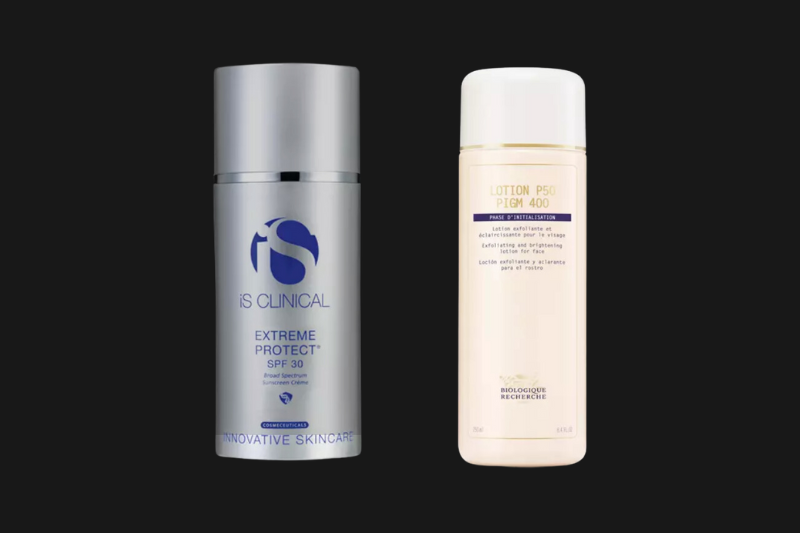
- Sun Protection: Shield your skin from harmful sun rays by applying sunscreen with an SPF of 30 or more. Sunlight can trigger the production of more melanin, which can darken existing melasma and cause new patches. So, it’s crucial to protect your skin from the sun, especially during peak hours.
- Outdoor Gear: When spending time outdoors, consider wearing a hat and sunglasses. This can provide an extra layer of protection against the sun’s UV rays, which can exacerbate melasma.
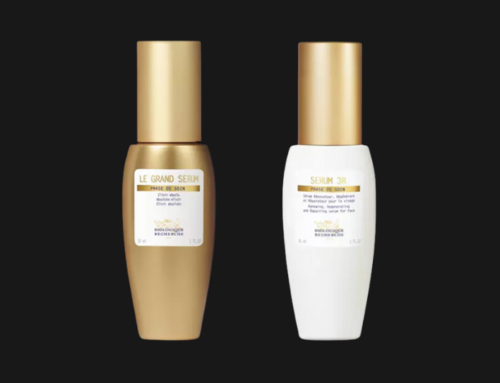
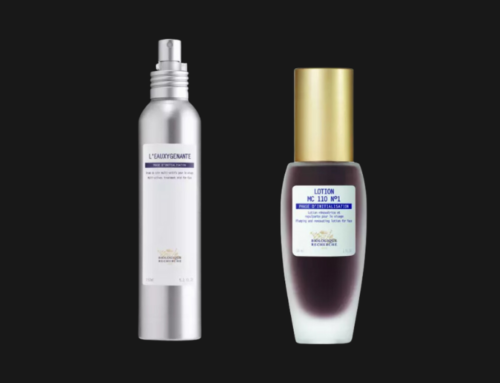
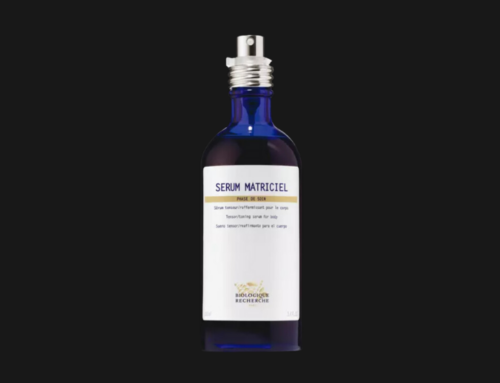
- Specialized Skincare: Utilize skincare products specifically designed for melasma. These products often contain ingredients that can help lighten the skin and reduce the appearance of melasma.
- Gentle Skincare Routine: Treat your skin kindly by avoiding harsh cleansers and skincare products. Opt for gentle, fragrance-free cleansers and moisturizers that won’t irritate your skin. Remember, irritated skin can worsen melasma.
- Adapt Your Makeup Regimen for Melasma: Use a color corrector before applying foundation. For medium-to-dark skin tones, a deep orange or red tone color corrector is often used to counteract brown patches. For light-to-medium skin tones, a pinky-peach tone is recommended.
- Eat a Healthy Diet: Limit your intake of alcohol and processed foods. These can cause inflammation in the body, which may make melasma worse. Get lots of fresh fruits and vegetables into your diet. These are packed with antioxidants, vitamins, and minerals that can help nourish your skin from the inside out. Antioxidants can help protect your skin from damage, while vitamins and minerals can support overall skin health.
The Art of Beauty During and After Pregnancy
Our passion at The Art of Beauty is helping you look and feel your best throughout your life. Motherhood is a miracle, but it also has challenges, and melasma can be one of them. Rest assured that The Art of Beauty has the finest skincare and cosmetic products available for whatever your need may be. Treat yourself to some self-care today.